Cleeve Hill is the highest ground in the Cotswolds, a broad, springy common of close-cropped turf, gorse and old quarry faces standing around 330 metres above Cheltenham and Winchcombe. Sunrise here is not a single photograph. It is a forty-minute performance that begins in near-darkness and ends with the Severn Vale steaming below you. Get the timing and the exposure right and you will come home with two or three frames worth printing.
What follows is the routine that works: how to pick a morning, when to arrive, what to set, and where to stand.
Read the forecast before you set the alarm
A cloudless forecast is the least interesting one. Clean skies give you a tidy, pale sunrise and a lot of empty space where drama should be. What you want is broken cloud — roughly half cover, with a band of clear sky on the eastern horizon for the sun to come through and higher cloud above to catch the colour. That combination produces the pinks, oranges and soft mauves that make the hill worth the early start.
Three things are worth checking the night before:
- Cloud cover and height. A cloud forecast map tells you more than a weather symbol. Look for gaps near the horizon and texture overhead.
- Wind. Cleeve Common is exposed in every direction. A steady 20mph wind will shake a lightweight tripod and freeze your hands; add layers and hang a bag from the tripod hook.
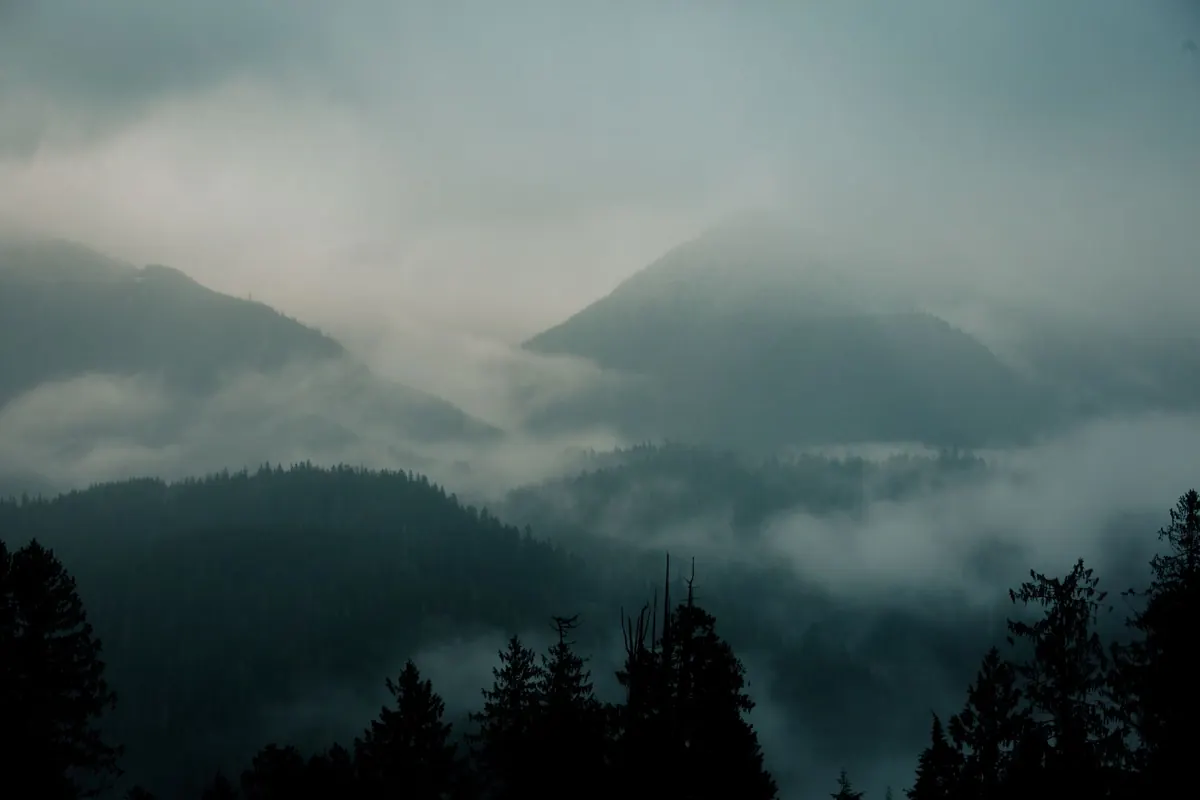
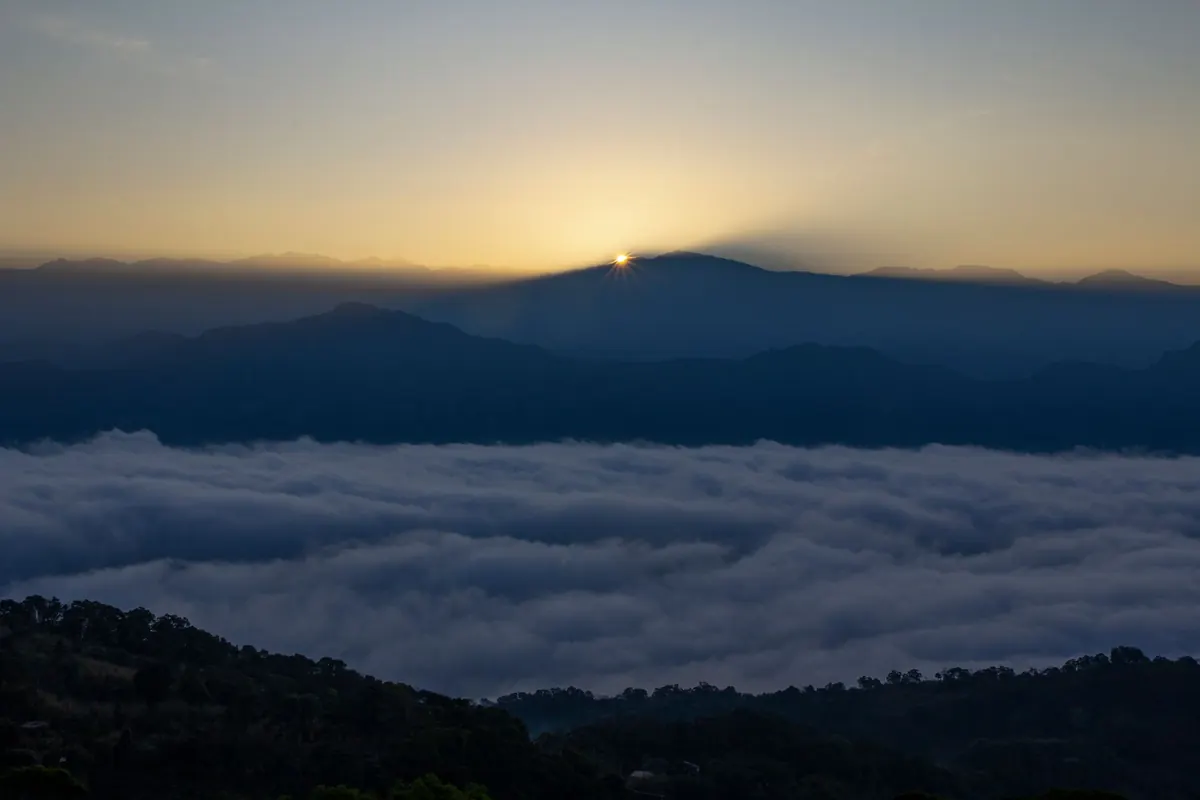
- Mist in the vale. After a clear, calm, cool night, mist often pools over the Severn Vale. From the western edge this is the best show on the hill — ridgelines emerging from a white sea.
Timing: arrive in the dark, stay past the light
Sunrise is not a moment, it is a window of about ninety minutes. Aim to be parked and walking at least three-quarters of an hour before the sun clears the horizon; the best colour frequently arrives ten or twenty minutes before it does.
- 90 minutes before sunrise. Park, walk, choose your first position. Use a torch — the ground is uneven and full of rabbit holes.
- 45 minutes before. Blue hour. Long exposures, low contrast, quiet tones. Good for the vale and for the silhouettes you will photograph again in colour.
- 20 to 30 minutes before. Colour builds in the cloud. This is often the shot of the morning.
- Sunrise. The disc appears, and your dynamic range explodes.
- 10 to 40 minutes after. Raking side light on the escarpment, mist lifting, sheep and walkers picked out in gold.
The main car park at the top of the hill near the golf course is the straightforward option, with laybys along the lanes for a shorter walk. Check any notices and charges when you arrive. Gates are there for grazing livestock — close them behind you, keep dogs close, and give golfers on the common a wide berth.
Camera settings that survive a Cleeve Hill sunrise
Work on a tripod, in manual, in raw. Everything else follows from that.
- ISO 100–200. Low noise matters more than a fast shutter here.
- Aperture f/8 to f/11. Enough depth for foreground detail without softening the frame through diffraction.
- Focus manually in live view. Magnify, focus on the ridge or a third into the scene, then switch off autofocus and image stabilisation.
- Shutter speed. It might be 20 seconds during blue hour and 1/250 second when the sun appears. Read it off the histogram rather than a meter reading.
- Expose for the highlights. Protect the brightest part of the sky, then lift the shadows later. Or bracket three to five frames a stop apart and blend them.
- White balance. Daylight keeps the warm cast honest. Leave it alone in camera and adjust in editing if you prefer.
A soft graduated filter is useful, but a bracketed sequence is more flexible and lighter to carry. Bring a cloth: dew settles fast on a front element left facing the breeze.
Composition: work the layers
The hill's gift is depth. Ridge behind ridge, vale below, and a foreground you can walk into.
Give the frame a foreground
The trig point, a wind-bent hawthorn, a stretch of drystone wall or a tussock of grass a metre from the lens all give the eye somewhere to start. Without one, a sunrise is just a coloured sky above a green line.
Follow the path
The Cotswold Way runs along the ridge. Let it enter from a bottom corner and it will pull the viewer up and over the escarpment.
Turn around
The best frame of the morning is often behind you. Low light raking across the common, picking out sheep, gorse and the long shadows of walkers, is more distinctly Cotswold than another sun disc on the horizon.
Reach for the long lens
A 70–200mm compresses the ridges into clean overlapping bands, especially when mist fills the vale. Keep the horizon level — the vale gives you a dead-flat line and a one-degree tilt will show.
The ten minutes that decide the shoot
As the sun breaks, the contrast range roughly doubles every few minutes. Check the histogram every second or third frame rather than after every frame, and resist the urge to review images on the back of the camera while the light is still moving. Shoot wide, then long. Shoot into the sun, then away from it. If the colour fades early, that is normal — stay for another twenty minutes for the light on the eastern slopes and the mist in the vale, which often improves as the temperature rises.
A short kit list, and a nudge to go
- Tripod with a hook for a bag, plus a remote release or a two-second timer
- A wide zoom, a standard lens, and a telephoto zoom if you can carry it
- Filter holder with a two- or three-stop soft grad
- Head torch, spare battery, microfibre cloths
- Windproof and waterproof layers, gloves, a hot drink
- Boots with grip — limestone turf is slick when wet
Sunrise from Cleeve Hill rewards planning more than luck. Pick a morning with broken cloud, be on the common while it is still dark, and give yourself room to move once the light starts. The hill will do the rest.
Photo: 哲聖 林 / Pexels