A good day out with a camera in the Cotswolds is rarely down to luck. It comes from a bag packed for the weather you will actually get, boots that cope with a muddy bridleway, and knowing before you leave whether you are allowed to plant a tripod where you plan to stand. Get those three things right and the photography takes care of itself.
Start With the Light, Not the Gear
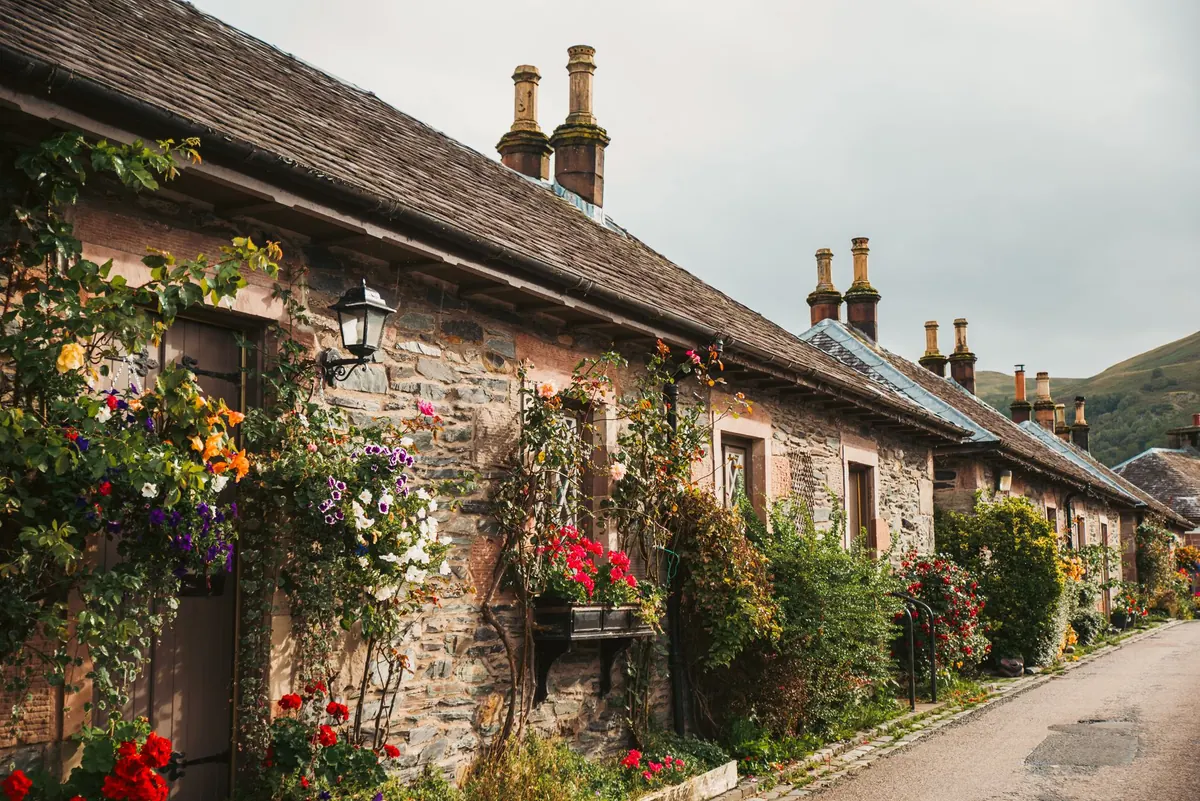
Cotswold limestone is at its best in low, warm light, which means the two hours after sunrise and the hour before sunset are worth planning your day around. In midsummer that can mean a very early alarm, but the reward is a village like Bibury or Castle Combe with empty lanes and long shadows across the stone.
Overcast days are not a write-off. Flat light is often ideal for doorways, textures, church interiors and detail work, where harsh sun would blow out the highlights and bury the shadows. Decide which kind of day you are likely to get, then build a short shot list: a wide view from a ridge, a tight frame on a weathered door, a long exposure of the River Windrush, one portrait of whoever you have dragged along. That list, not the catalogue, tells you which lenses to pack.
The Camera Kit That Earns Its Place
- Camera body, plus something as a backup — a compact or even a phone is enough if the worst happens.
- Wide zoom (roughly 16–35mm on full frame) for narrow streets, market squares and interiors. Watch for converging verticals; a small correction in editing saves most of them.
- Standard zoom (24–70mm or 24–105mm) as the workhorse. Most of your keepers will come from this one.
- Telephoto (70–200mm) for compressing rooftops, layering hillsides and picking out sheep on a ridge.
- Circular polariser. Wet limestone and damp foliage respond well to one; just do not overdo it or the sky goes muddy.
- Six-stop ND filter for silky water on the Coln or at Bourton-on-the-Water, and for clearing people from a busy street.
- Tripod — carbon fibre if you are walking far, because village lanes are often cobbled, uneven or too narrow for a spread-eagled aluminium one.
Two spare batteries, not one. Cold mornings drain them faster than you expect, and a battery that reads half full at breakfast can be flat by eleven.
Accessories Worth the Weight
- Spare memory card, kept in a different pocket from the first.
- Microfibre cloths and a blower. Limestone dust and river spray get everywhere.
- A rain cover or, at a push, a shower cap in the bag.
- A small head torch for finding your way back after blue hour.
- A power bank and cable if you are navigating and shooting from the same phone.
Clothing: Four Seasons in One Day
The Cotswolds are not mountainous, but they are exposed. A still village morning can turn into a windy, wet afternoon on the escarpment above Broadway or Cleeve Common within a couple of hours, and the wind on the ridge is a different climate from the lane below it. Layering is the whole trick: you can strip down in a sheltered valley and zip back up on the top.
- A merino or synthetic base layer in cool months, cotton only if you enjoy being cold.
- A fleece or light insulated mid-layer.
- A waterproof shell with a hood, big enough to go over everything else.
- Trousers rather than jeans. Wet denim is miserable and slow to dry.
- Hat and thin gloves from autumn through spring. A buff is worth its weight in wind.
- Sunscreen and sunglasses — the ridge paths are open, and spring sun catches people out.
- In summer, long sleeves for nettles and long grass, and insect repellent for dusk beside water.
Leave a dry spare layer and a pair of socks in the car. You will be grateful more often than you would think.
Footwear and the Ground Beneath You
Waterproof boots with ankle support and a proper tread are the right answer for most of the year. Wet limestone and clay both turn slick, and many of the best views sit at the end of a footpath that has been churned by walkers and livestock. Wellies handle flooded meadows in winter, but they are heavy over distance. Sandals are a mistake near riverbanks, nettles and stiles.
Carry a paper map or download the tiles before you go. Signal drops in the valleys, and the footpath you were counting on may be signed in a way that only makes sense with the map open. Follow the Countryside Code: stay on the path, close gates behind you, do not cross growing crops, and give livestock plenty of room, especially ewes with lambs in spring — keep dogs on a lead around them. If you walk through long grass, check yourself for ticks afterwards; if you find one attached and you are unsure how to remove it safely, a pharmacist can advise.
Permissions, Access and Village Etiquette
This is the part that trips up otherwise well-prepared photographers. Personal, non-commercial photography at a National Trust or English Heritage property is generally fine, but tripods, drones, filming and anything commercial often need a permit arranged in advance. Check the property's website or ask at the entrance before you set up. Drone use is restricted or prohibited on many estates and over private land; confirm before you fly rather than after.
- Churches. Many Cotswold churches welcome visitors, but ask before using flash or a tripod, and never during a service. A donation in the box is good manners.
- Private land. Gardens, driveways and fields are not backdrops by default. Never climb a gate or cross a fence for a better angle.
- People. Ask before photographing anyone, and always get a parent's consent for children. If someone asks you to delete a frame, delete it.
- Shops, pubs and cafés. Ask first. Buy something, shoot quietly, and skip the flash.
- Parking. Villages like Castle Combe and Bibury have very little of it. Use marked bays, pay where required, and never block a lane, gateway or bus stop for the sake of a shot.
- Commercial work. Weddings, fashion, stock shoots and anything for a client usually need written permission, and public liability insurance is sensible. If in doubt, ask the landowner or estate office first.
The Night-Before Checklist
Charge every battery and the power bank. Format your cards in camera. Clean the sensor and the front element. Check sunrise and sunset times, the forecast, opening hours for any garden or house you plan to visit, and whether a village event will close a road or fill a car park.
Pack the bag fully and leave it by the door. Boots go in the car the night before, not by the front door at half past five. Fill a flask, add snacks and water, and save your first location and a backup into your phone or satnav.
Then sleep. The photographers who come home with something worth keeping are not the ones carrying the most equipment. They are the ones who arrived early, walked a little further than the car park, and had already thought about what they wanted the picture to say.
Photo: Athena Sandrini / Pexels