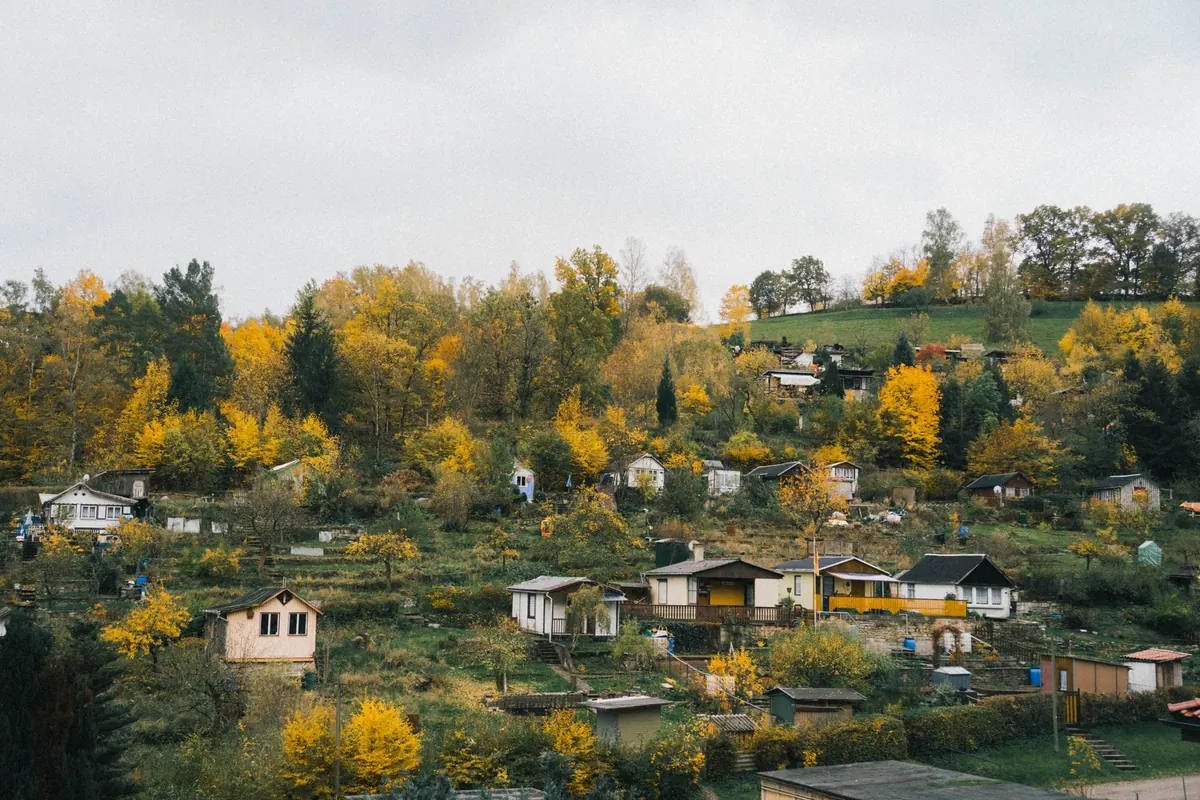
Autumn in the Cotswolds never arrives all at once, and it never stays long. The limes in the parkland go first, then the field maples along the lanes, then the beeches on the escarpment, often a fortnight behind the trees in the valleys below. Three good weeks are typical, and one gale can take half of it in a morning. What follows are eight places where the season does most of the work for you, grouped so you can build a day around them rather than driving from one end of the region to the other.
Read the Season Before You Pack
Elevation matters more than the calendar here. Woodland on the western escarpment turns earlier and drops earlier than the sheltered valleys, and a village at the bottom of a hill can be a week behind the ridge above it. Roughly, the season runs like this:
- Late September to mid-October: field maples, limes and early cherries at field edges and in village gardens.
- Mid to late October: arboretum maples, parkland limes, horse chestnut and the first real colour in the hangers.
- Late October to mid-November: beech on the escarpment and in the wooded valleys, usually the strongest fortnight of the year.
- After leaf fall: bare structure, mist and low sun. Often the most atmospheric conditions of all.
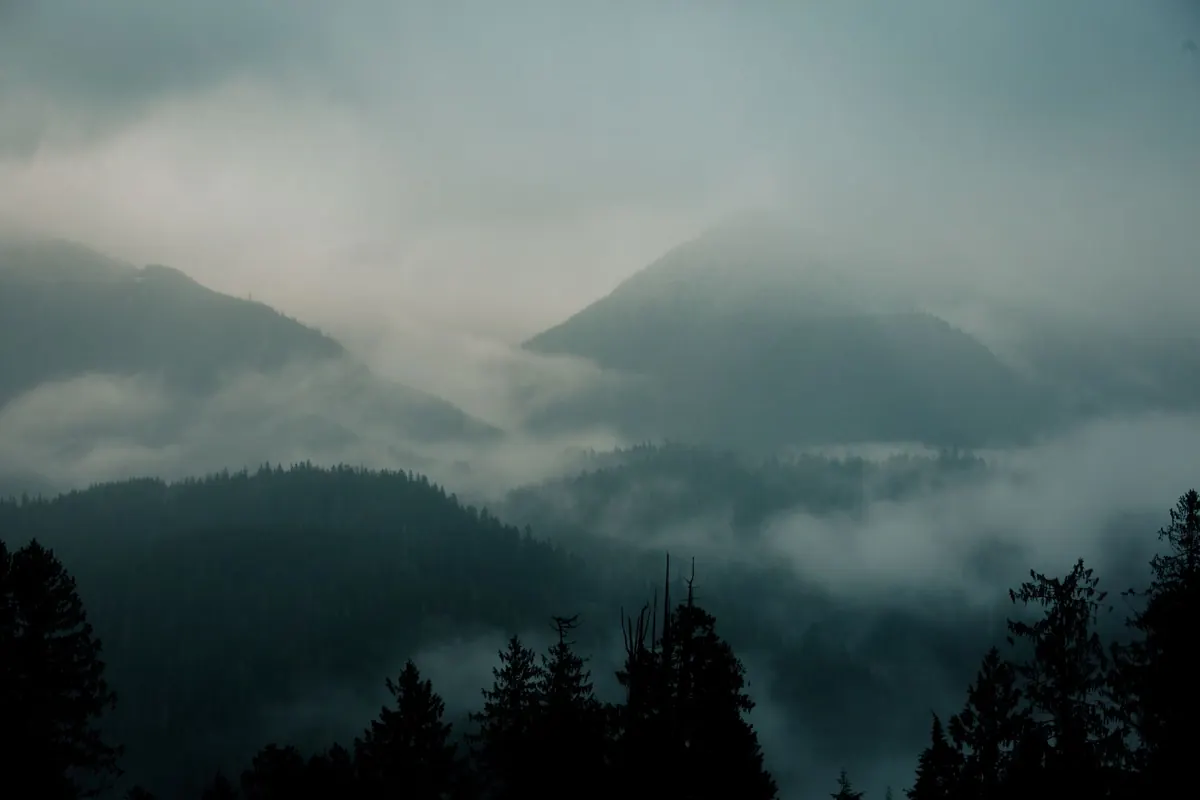
The best light is usually the dull light. A still, damp morning after overnight rain gives you saturated bark, glowing leaves and mist sitting in the valley. Bright sun on a turning leaf is difficult: highlights blow out and the colour goes flat and chalky. If the sun does appear, work in shade or shoot into the light so leaves glow against a dark trunk.
Arboretums: Westonbirt and Batsford
Westonbirt
Near Tetbury, Westonbirt is the reliable one. The Japanese maples are the main draw, and the Acer Glade fills quickly on dry weekends; timed entry applies at peak periods, so book before you travel. Arrive for opening, park, then walk to the far end of the collection first and work back towards the entrance as the crowds build. A wide lens under the canopy is tempting, but the frames that work best are often made with a short telephoto, picking one branch against a dark background.
Batsford
Above Moreton-in-Marsh, Batsford runs down a hillside, which is rare in the Cotswolds and useful. You can stand above the canopy and shoot down into it, layering maples and cherries against the Evenlode valley beyond. Paths zigzag, so a moderate lens and a tripod are comfortable here. Entry is paid and there is a cafe, which makes it a sensible choice for a cold, wet morning when you want somewhere to warm up halfway through.
Parkland and Beech Hangers: Cirencester and Painswick
Cirencester Park
The Broad Avenue at Cirencester is one of the great autumn set pieces: a long, straight ride under mature trees, with mist collecting at ground level on still mornings. Shoot down the avenue with a long lens to compress the trunks into a tunnel, then turn around and use the same lens to isolate single leaves. Access to the park has been managed differently in recent years, so check the estate's current pedestrian routes and opening times before setting out.
Painswick
The beech woods around Painswick Beacon are the best-value colour in the county. Footpaths from the village climb through the hangers, and the Cotswold Way gives you long views back over the Severn Vale when the leaves thin. The churchyard yews are dark and sculptural and pair well with fallen beech. The Rococo Garden below the village is worth an afternoon if the weather closes in; the valley planting turns well and the small buildings give you foreground when the sky is doing nothing.
Villages and Water: Bibury, Castle Combe, Woodchester
Bibury
Arlington Row and the Rack Isle are the classic frames, and the river Coln gives you reflections when the wind drops. Be there before eight in the morning. By ten, coach parties arrive and the light has flattened. Once you have the obvious shot, walk up the lane behind the row and look for the hillside beeches above the village; a long lens from the bridge gives you the cottages compressed under a bank of colour.
Castle Combe
The By Brook runs through the middle of the village, under the bridge, with wooded valley sides above the rooftops. Parking is at the top of the hill and the walk down is steep but short, which is worth remembering when you are carrying a bag back up. The valley turns later than the arboretums, so this is a good choice in early November when higher ground is already bare.
Woodchester Park
A deep National Trust valley near Stroud, with a chain of lakes and a boathouse that gives you a natural focal point in flat light. The beech woods on the slopes hold colour well into November. Parking is limited and sometimes needs booking in advance, so check before travelling.
High Ground: Broadway Tower and the Escarpment
Broadway Tower sits on the edge of the escarpment with wide views over the Vale of Evesham, and the beech woods on the approach from the village are the reason to come. On a still morning after a cold night you can get a cloud inversion: mist filling the vale while the ridge stands clear above it. Bring a long lens to compress the layers of mist, hedges and distant church towers, and bring warm layers too. It is noticeably colder and windier up here than in the villages, and the wind strips leaves from the ridge before anywhere else.
Fieldcraft: Kit and Small Courtesies
Autumn photography in the Cotswolds is mostly about being in the right place early with dry hands. A short kit list that covers almost everything:
- Circular polariser. Controls reflections on wet leaves and deepens colour. Keep the effect subtle or foliage turns unnaturally dark.
- Tripod and a microfibre cloth. Misty mornings are dim and wet, and you will be wiping the front element constantly.
- A 70–200mm. More useful than a wide lens for isolating branches, compressing avenues and stacking misty ridges.
- Waterproof boots. Every location here involves mud, and some involve standing in it.
- Respect for access. Lanes, gateways and field entrances are working access. Do not block them, close gates behind you, keep off crops and private land, and check local drone restrictions before flying.
Making a Weekend of It
Do not try to cover all eight in two days; the driving will eat the light. Pick one arboretum and one village per day and let the weather decide the order.
- Day one: Westonbirt at opening, then Castle Combe for the afternoon and last light on the By Brook.
- Day two: Painswick Beacon before sunrise, Cirencester Park mid-morning, Bibury in the late afternoon when the day visitors have gone.
Keep an eye on the forecast and be willing to swap plans. A wet Tuesday will almost always beat a bright Saturday, and the best hour of an autumn day in the Cotswolds is usually the one nobody else has got out of bed for.
Photo: Red Nguyen / Pexels